Granary DigitalAcademy
Watch · video course

What Does a Gaffer Do?

Understand what the lighting department does on a film or TV set, how light behaves, and how people get into the work.
Video coursesComing soonFree download when you join

What Does a Gaffer Do?, from Granary Digital Academy
The course in 50 seconds

What Does a Gaffer Do?

Read the transcript

Ever wondered what the gaffer actually does? The gaffer runs the lighting department on a set, working with the director of photography to turn a lighting plan into light. This course explains the job, the crew around it and the kit, filmed on Granary's main stage with the studio's own rig. Six modules, about two hours: the department, a job from prep to wrap, how light behaves, the kit, power and safety, and getting in. Will it qualify you for electrical work? No, and it says so where it matters. Power is covered as awareness only. It's for students, runners, career changers and self-shooters, and most people finish in a week. It's also the pre-work for Crew Ready, two days on a lighting crew at the barn. Granary Digital Academy. Learn it where we make it.

About the course

What Does a Gaffer Do?

The gaffer runs the lighting department on a set, working with the director of photography to turn a lighting plan into light. This course explains the job, the crew around it and the kit it uses, filmed on Granary's main stage with the studio's own lighting rig.

It's an introduction for students, runners, career changers and self-shooters. It doesn't qualify anyone to do electrical work, and it says so where it matters.
Format
6 modules of narrated video lessons, about 2 hours in all, with short quizzes and printable reference sheets
Pace
Most people finish in a week
Filmed
On the Granary main stage, with the studio's own fixtures, dimmers and lighting desks
Please note
An introduction, not an electrical qualification
Where it comes from

Made where the work happens

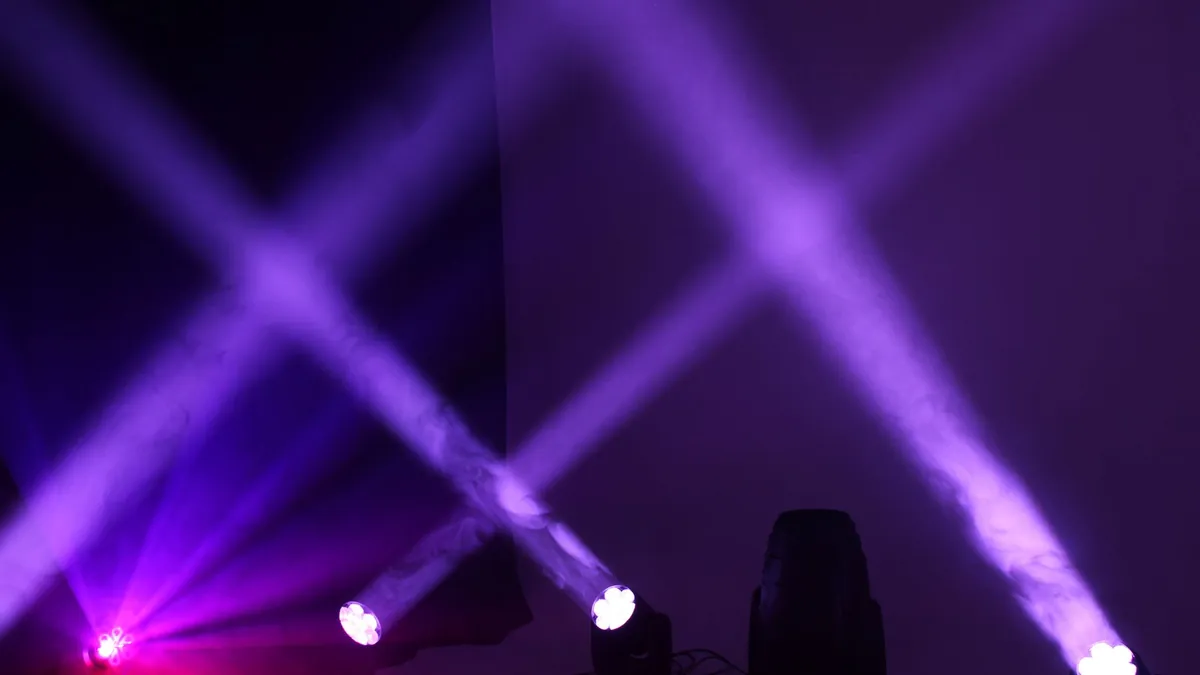
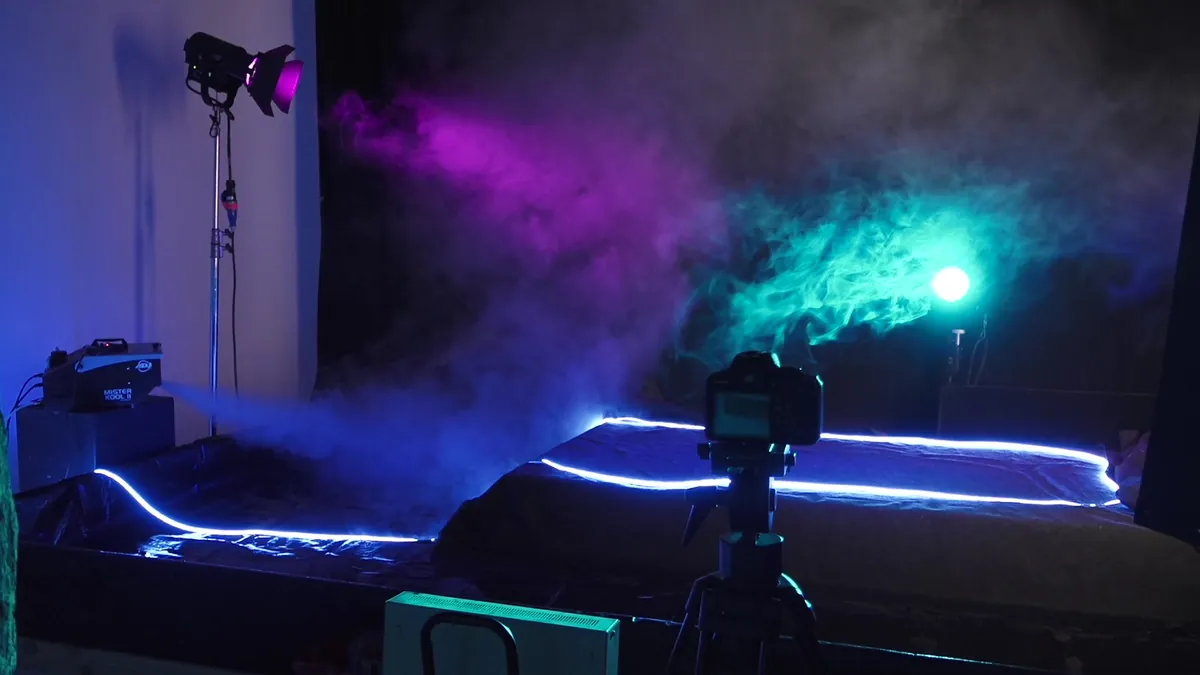
Coloured beams through haze on the blacked-out stage
Coloured beams through haze on the blacked-out stage.
Gelled fresnels and haze on the studio floor with a camera on sticks
Gelled fresnels and haze on the studio floor.
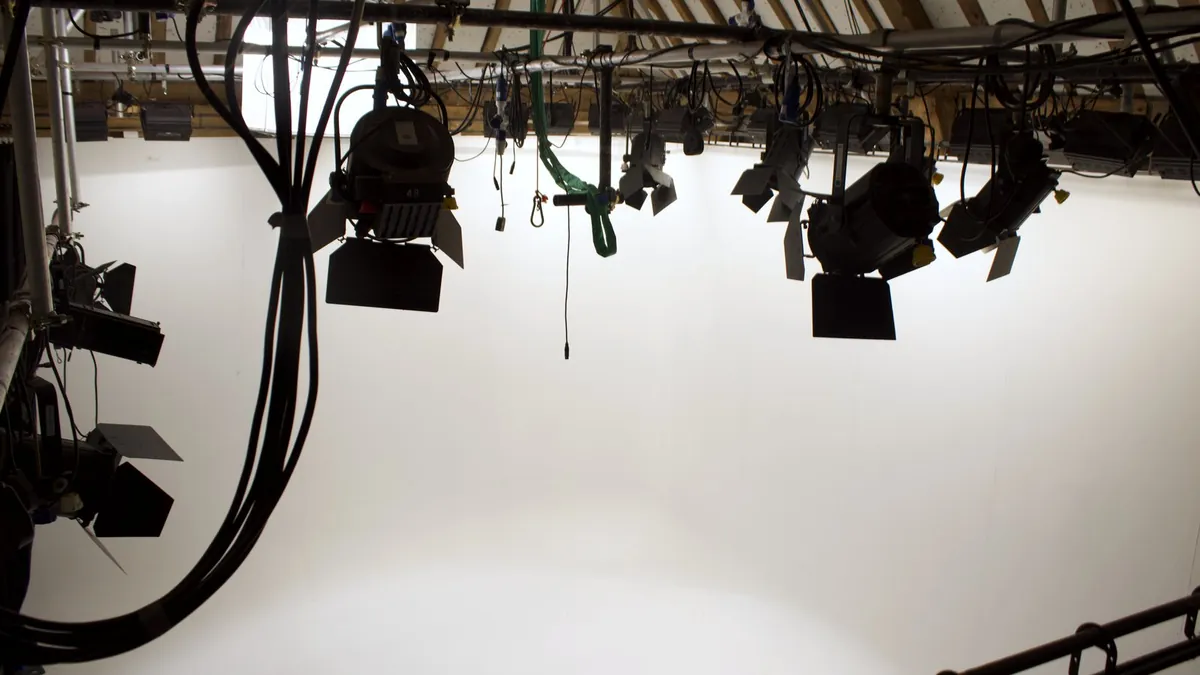
The studio lighting grid rigged into the barn trusses
The lighting grid, rigged into the barn trusses.
Outcomes

By the end, you'll be able to

  • Explain what a gaffer does and who else is in the lighting department
  • Describe how the gaffer works with the director of photography
  • Walk through a job from prep and recce to wrap
  • Tell hard light from soft light and say what makes each
  • Name key, fill, back and motivated light, and what each does in a frame
  • Use the inverse square law to explain why light falls off with distance
  • Explain colour temperature, correction gels and why colour rendering matters
  • Identify common fixtures, shaping tools and control equipment by sight
  • Explain in plain terms why power distribution and protection matter, as awareness only
  • List the main safety duties on a lighting crew
  • Describe the routes into lighting work in the UK
Outline

What the course covers

6 modules. Each ends with an assignment, and the templates and checklists come with the lessons.

Module 1The lighting department

20 min
  • What a gaffer is, and where the word comes from
  • Who's who in the department
  • Working for the director of photography
  • How the job changes from film to live TV and events

Module 2A job from prep to wrap

20 min
  • Prep: script, recce, lighting plan and kit lists
  • The shooting day
  • Wrap and de-rig
  • Working alongside the other departments

Module 3How light behaves

25 min
  • Hard and soft light
  • Key, fill, back and motivated light
  • Falloff and the inverse square law
  • Colour temperature, gels and colour rendering
  • Contrast ratios

Module 4The kit

25 min
  • Fixtures
  • Flags, nets, scrims, diffusion and bounce
  • Dimmers, DMX and lighting desks
  • Stands, grids and where lights hang

Module 5Power and safety, as awareness

20 min
  • Why this module is not a qualification
  • Watts, amps and volts, with a worked example
  • Distribution and protection
  • Hot lamps, cables, lifting and height
  • The rules and who is responsible

Module 6Getting in

10 min
  • Routes into lighting work
  • What to learn next
  • Where to find published rate cards
Who it's for

This is for you if

  • Film and media students, runners and early-career crew
  • Career changers curious about lighting work
  • Self-shooters and producers who want to speak the lighting department's language
Who it isn't for

Probably not, if

  • Anyone who needs a qualification to work as an electrician on set
Waiting list

Join now and start free

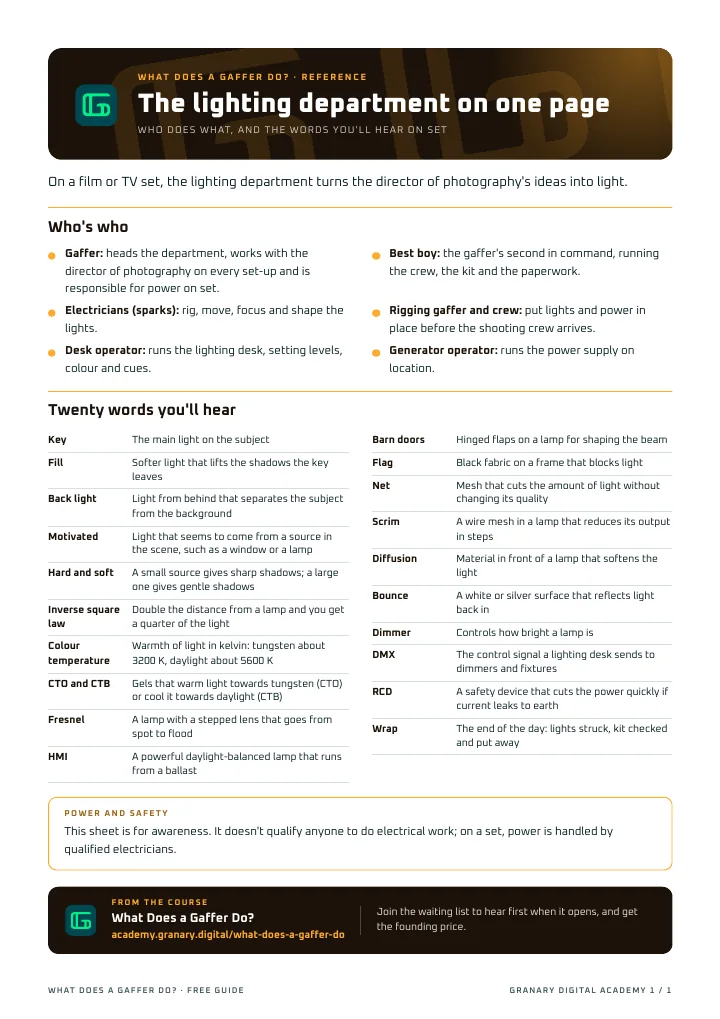
  • The lighting department on one page, free. Who does what in a film and TV lighting crew, and twenty words you'll hear on set. It's yours as soon as you join.
  • First to hear. The waiting list hears first when What Does a Gaffer Do? opens, with the price and what's included.
  • The founding price. Less than the full price, for people on the waiting list.

Joining commits you to nothing.

Join the waiting list

The lighting department on one page is free, straight away.

Your download appears here as soon as you join, and we'll email you the link too. Then three short emails a fortnight apart while we make the course, and the news when it opens. Nothing else, and every email has a link to leave the list. Privacy notice.

Questions

Before you ask

Is this a qualification?

No. It's an introduction. Electricians on set hold electrical qualifications this course doesn't give, and the power and safety module is awareness only.

Is there a hands-on version?

Yes. Crew Ready is two days working as a lighting crew on the main stage, with this course as the pre-work. Join its waiting list too if you want to do both.

Where does the word gaffer come from?

Nobody is completely sure. The first lesson covers the main theories.

Want the hands-on version? Crew Ready is two days in the lighting department.